
Every parent has days when the dishes pile up, the laundry spills out of the hamper, and toys cover the living room floor. Busy households are rarely spotless, and most parents know that a little mess is part of raising children.
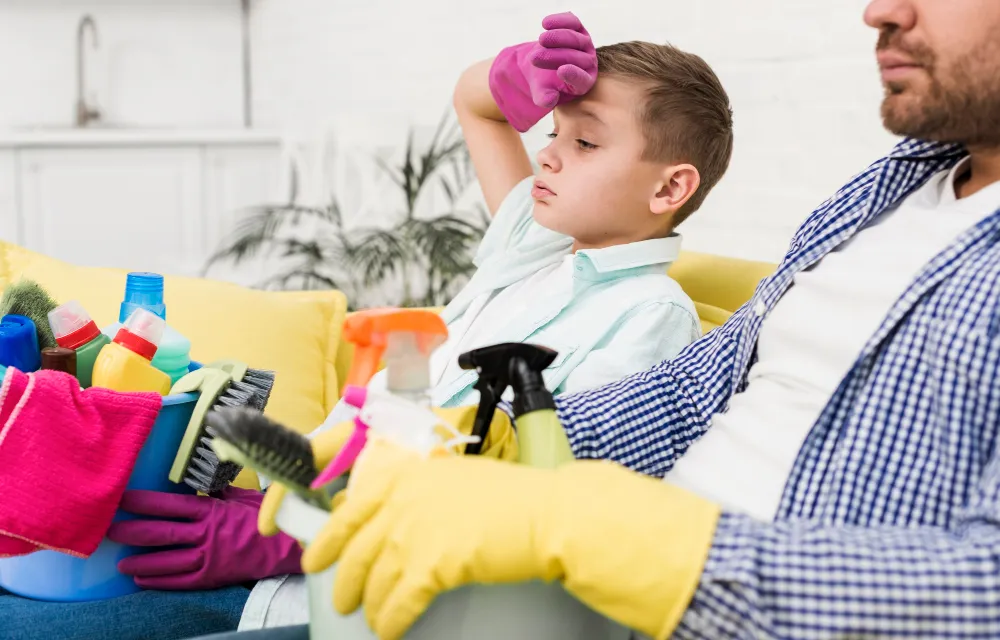
Still, many families worry that a social worker who walks into an untidy home might decide the children are in danger. Parents who contact a CPS Lawyer Riverside after a home visit often ask the same question: can a dirty house really cost them their kids? The answer depends on the difference between clutter and conditions that put a child at real risk.
A Messy Home Is Not the Same as Neglect
California law does not allow CPS to remove children simply because a home is untidy. The juvenile dependency system focuses on whether a child has suffered, or is at substantial risk of suffering, serious physical harm or illness because of a parent’s failure to provide adequate care. Unmade beds, dirty dishes in the sink, or piles of clothing, on their own, do not meet that standard.
California has also moved in recent years toward separating poverty from neglect. A family that lacks money for new furniture, lives in a crowded apartment, or struggles to keep up with repairs is not automatically a neglectful family. The question is always whether the living conditions create a genuine danger to the child’s health or safety.
When Home Conditions Become a CPS Concern
There is a point where a home moves from messy to hazardous. Social workers are trained to look for conditions that could lead to injury or illness, especially for young children. Common concerns include:
- Rotting food, trash buildup, or garbage that attracts insects or rodents
- Animal or human waste on floors, furniture, or bedding
- Exposed wiring, broken windows, or holes in floors and walls
- Drugs, medications, weapons, or chemicals within a child’s reach
- No working water, electricity, or heat for an extended period
- Mold, sewage leaks, or strong odors that suggest unsanitary conditions
- Hoarding that blocks exits or creates fall and fire hazards
- No safe place for a child to sleep, such as a crib or clean bed
- Lack of food in the home
When these conditions are present, CPS may argue that the child is at substantial risk of harm, even if no injury has occurred yet.
Why the Age of the Child Matters
The same home can be viewed very differently depending on who lives in it. An infant or toddler who crawls on the floor and puts objects in their mouth is far more vulnerable to trash, broken glass, or small items than a teenager. Social workers and judges consider the ages and developmental stages of the children when deciding whether conditions are dangerous. A home with several young children and serious hazards will draw much closer scrutiny.
Is It a One-Time Problem or a Pattern?
CPS also looks at whether poor conditions are temporary or ongoing. A home that is disorganized during a move, after an illness, or following a family emergency is different from one that has been unsafe for months. Photos, prior referrals, and statements from neighbors or relatives may be used to show a pattern.
Often, a dirty home is treated as a sign of something deeper. Social workers may ask whether substance abuse, mental health struggles, domestic violence, or a lack of supervision is contributing to the conditions. In many cases, the underlying issue becomes the real focus of the investigation.
What Happens During a Home Conditions Investigation
Most home conditions referrals begin with a report from a neighbor, landlord, relative, teacher, or medical provider. A social worker will usually visit the home, walk through the living areas, check the kitchen and bedrooms, and may take photographs. The children may be interviewed about meals, bathing, and where they sleep.
If the social worker has concerns, the outcome can vary. CPS may close the referral, ask the family to correct specific problems, offer voluntary services, or propose a safety plan. In serious situations involving immediate danger, children may be removed and a petition filed in juvenile court. Even then, the goal of the case is usually to help the family fix the conditions so the children can safely return home.
Steps Parents Can Take to Protect Their Family
If you are concerned about your home or have already been contacted by CPS, there are practical steps you can take:
- Address immediate hazards first, such as trash, spoiled food, and anything dangerous within reach
- Make sure each child has a clean, safe place to sleep
- Keep the refrigerator and pantry stocked with food appropriate for your children
- Contact your landlord in writing about repair problems and keep copies
- Ask family or friends for help if the cleanup feels overwhelming
- Seek community resources for utilities, food, or housing assistance
- Take dated photos showing improvements to the home
- Address any underlying issues, such as depression or substance use, through appropriate support
Showing steady improvement can go a long way in persuading a social worker or a judge that the children are safe in your care.
Final Thoughts
CPS cannot take your children simply because your home is messy. The legal focus is on whether conditions create a real danger to your children’s health or safety. However, when clutter turns into unsanitary or hazardous living conditions, CPS may step in, particularly when young children are involved. Understanding where that line falls and acting quickly to correct problems can help keep your family together.
Families who do become involved with CPS over home conditions often want to know how long they will be under supervision once an investigation or case begins. The Law Office of Vincent W. Davis outlines how long CPS cases stay open in California, giving parents a clearer picture of the process ahead.